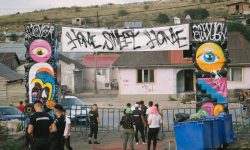
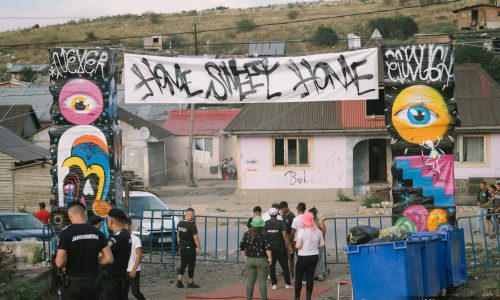
Strada Piezișă is not one of Cluj-Napoca’s grand boulevards. It has no monumental architecture, no sweeping vistas, and for most of the day it functions quietly, almost invisibly. Yet for generations of students, residents, and local businesses, Piezișă has been one of the city’s most recognisable and lived-in streets. Now, the municipality plans to transform it completely.
The project, recently revealed through official City Hall documentation, proposes turning Piezișă into a modern pedestrian-focused street with rebuilt infrastructure, proper drainage, and underground utilities. While the visualisations have attracted attention, the real significance of the project lies in what Piezișă represents, and what its redesign could mean for the surrounding community.
A street shaped by students and daily life
Piezișă sits on the edge of the Hașdeu student campus, one of the most densely populated student areas in Romania. For decades, it has functioned as a connector rather than a destination: a narrow route linking Hasdeu to Clinicilor Street, used daily by thousands of students walking to lectures, part-time jobs, shops, and public transport.
Over time, the street developed its own informal identity. Small bars, takeaway food spots, convenience stores, and low-key cafés grew alongside older residential buildings. Unlike Cluj’s central pedestrian areas, Piezișă remained rough around the edges, practical rather than polished. That informality is precisely why it became a social space rather than just a traffic corridor.
For many former students, Piezișă is tied to memory rather than architecture. Late-night walks back to dorms, improvised gatherings on pavements, cheap food after exams, and the everyday rhythms of student life all played out here. Its importance has always been social rather than visual.
Why the street no longer works as it is
Despite its importance, Piezișă has struggled with long-standing infrastructure problems. The street surface is uneven and degraded, sidewalks are narrow, and cars share space with pedestrians in ways that are often uncomfortable or unsafe. One of the most visible issues is flooding during heavy rain. Without a functional drainage system, water flows directly along the street, turning it into a shallow channel and accelerating surface damage.
Overhead utility cables criss-cross the street, adding visual clutter and creating maintenance problems. Public lighting is inconsistent, and the lack of coherent street design makes the space feel temporary rather than intentional. In short, Piezișă has been heavily used, but rarely properly cared for.
These are not cosmetic issues. They affect safety, accessibility, and daily quality of life, especially in an area with such high pedestrian traffic.
What the project actually proposes
According to the official documentation approved at City Hall level, the project involves a complete reconstruction of the street, not a surface-level refurbishment.
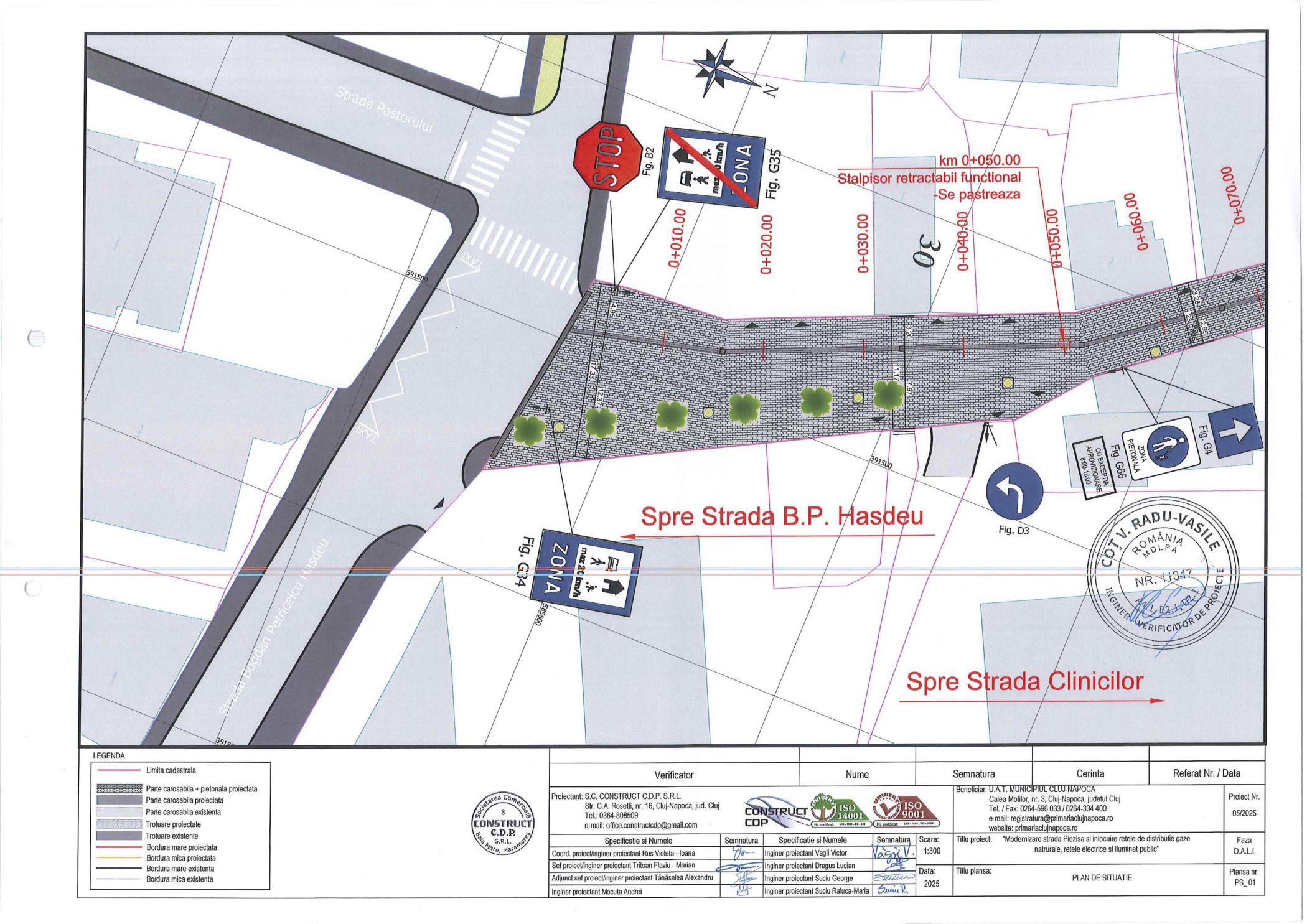
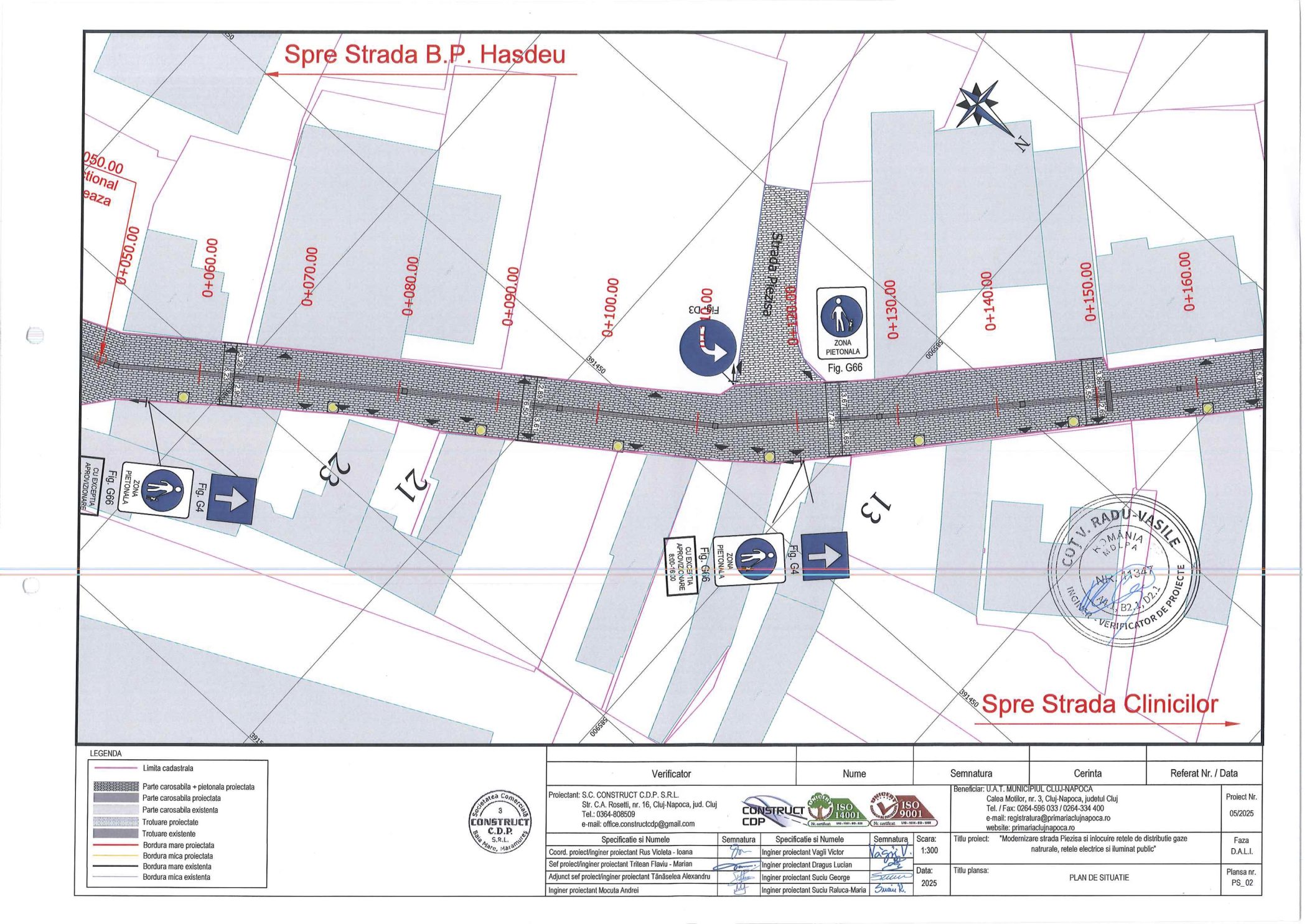
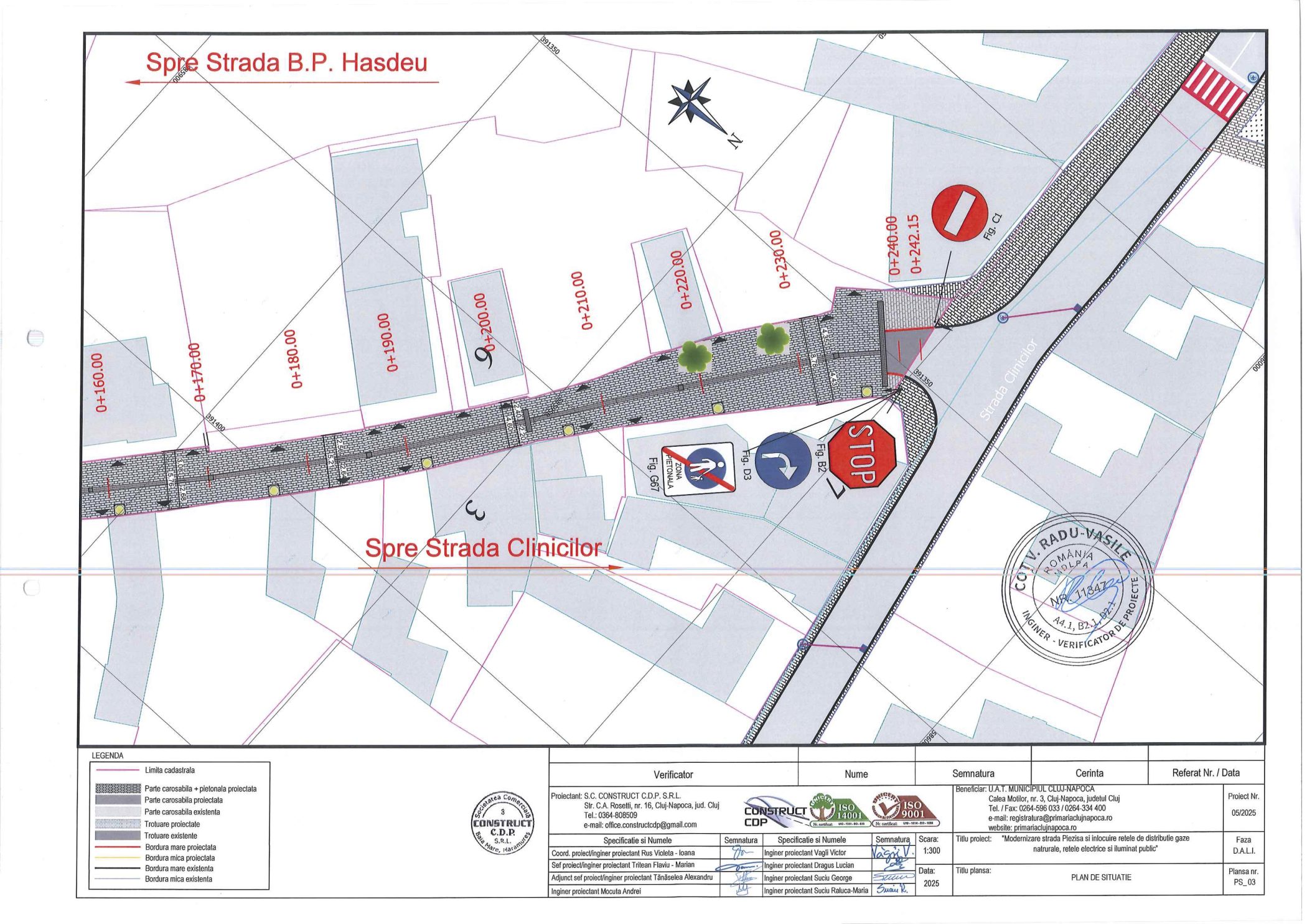
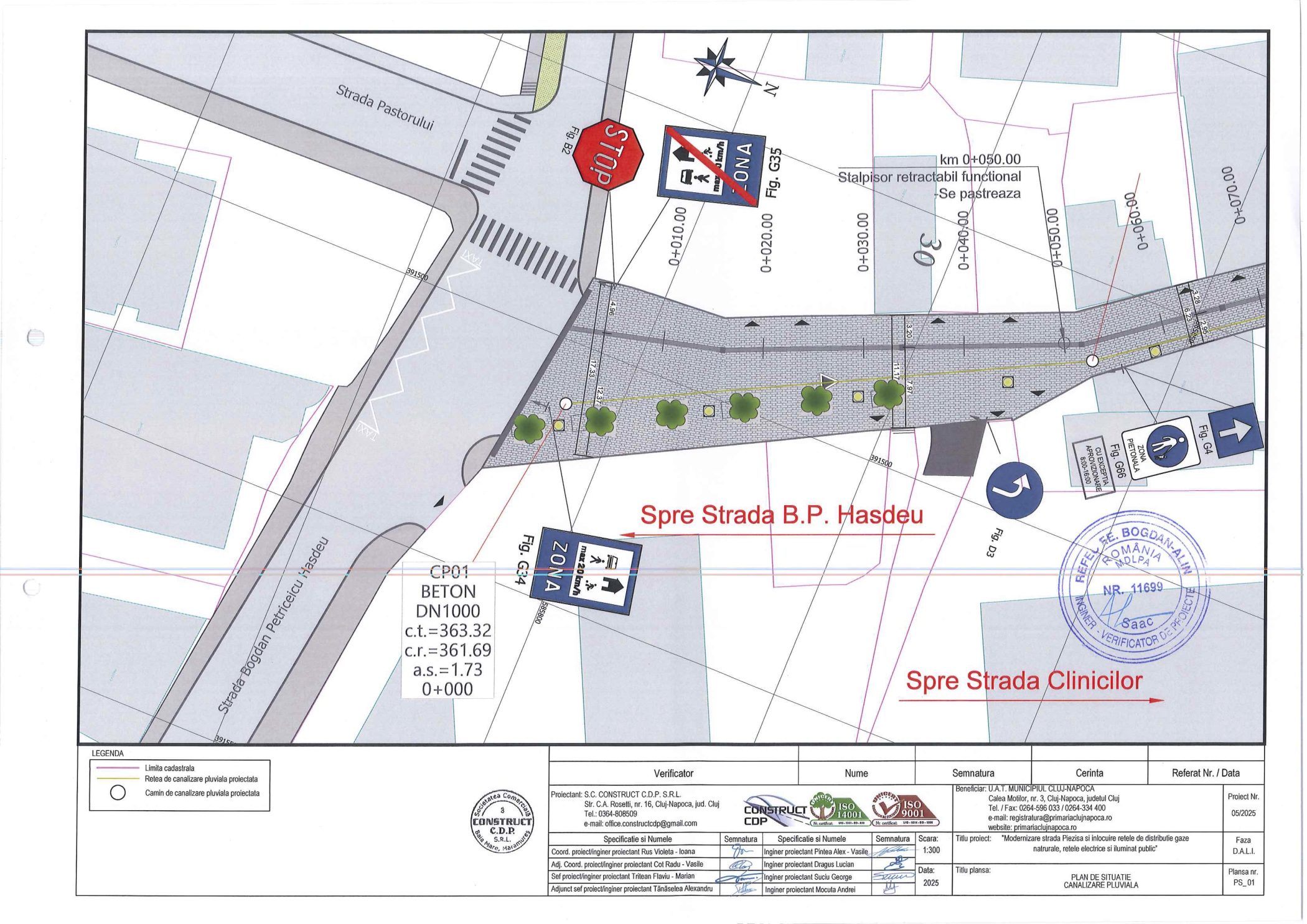
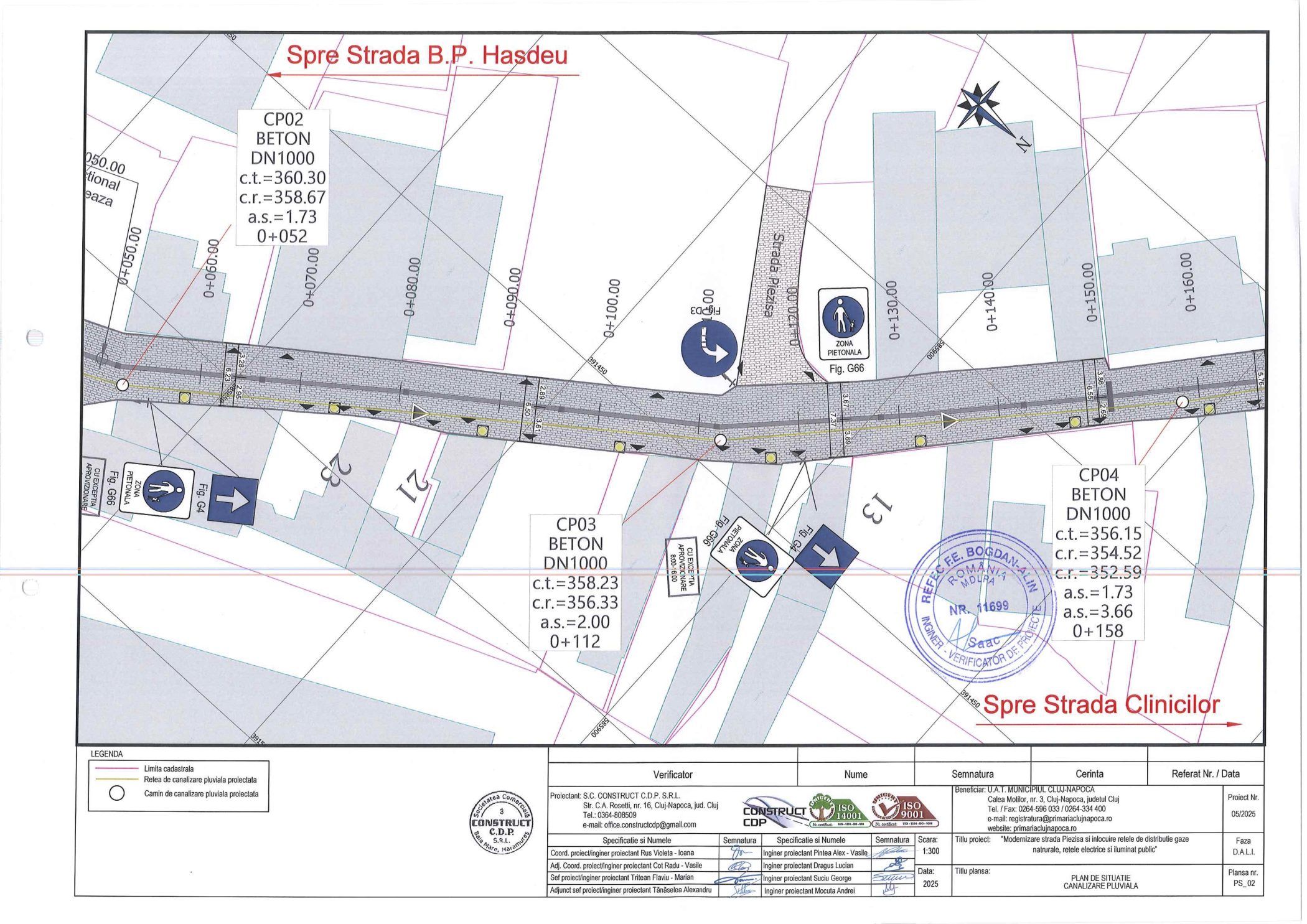

The roadway and sidewalks will be rebuilt as a shared pedestrian surface using paving blocks or natural stone, replacing asphalt entirely. Traffic access will be limited to residents, deliveries, and emergency vehicles, shifting the street’s primary function from car movement to pedestrian use.
A new underground rainwater collection system will be installed, designed to collect water from the street surface, pavements, and even adjacent building roofs, directing it into the existing network on Clinicilor Street. This directly addresses the flooding problem that has affected the street for years.

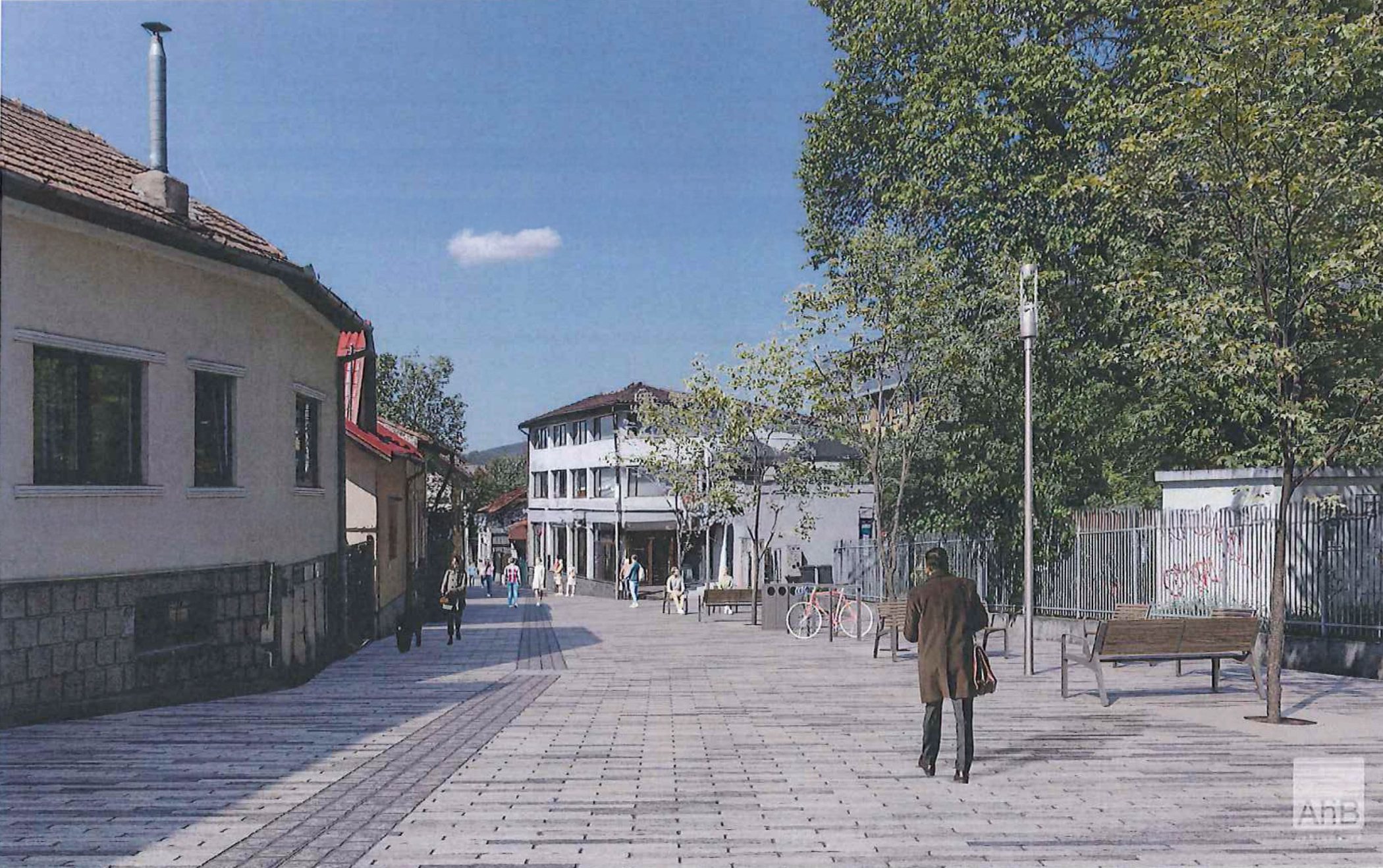
All overhead cables are planned to be buried underground, and public lighting will be replaced with energy-efficient LED fixtures. Urban furniture, including benches, planters, and bicycle racks, is also included, along with landscaping elements intended to soften the space without turning it into a formal park.
The estimated cost of the project is just over 11 million lei including VAT, and it is currently in the technical approval phase, meaning detailed execution and tendering are still to come.
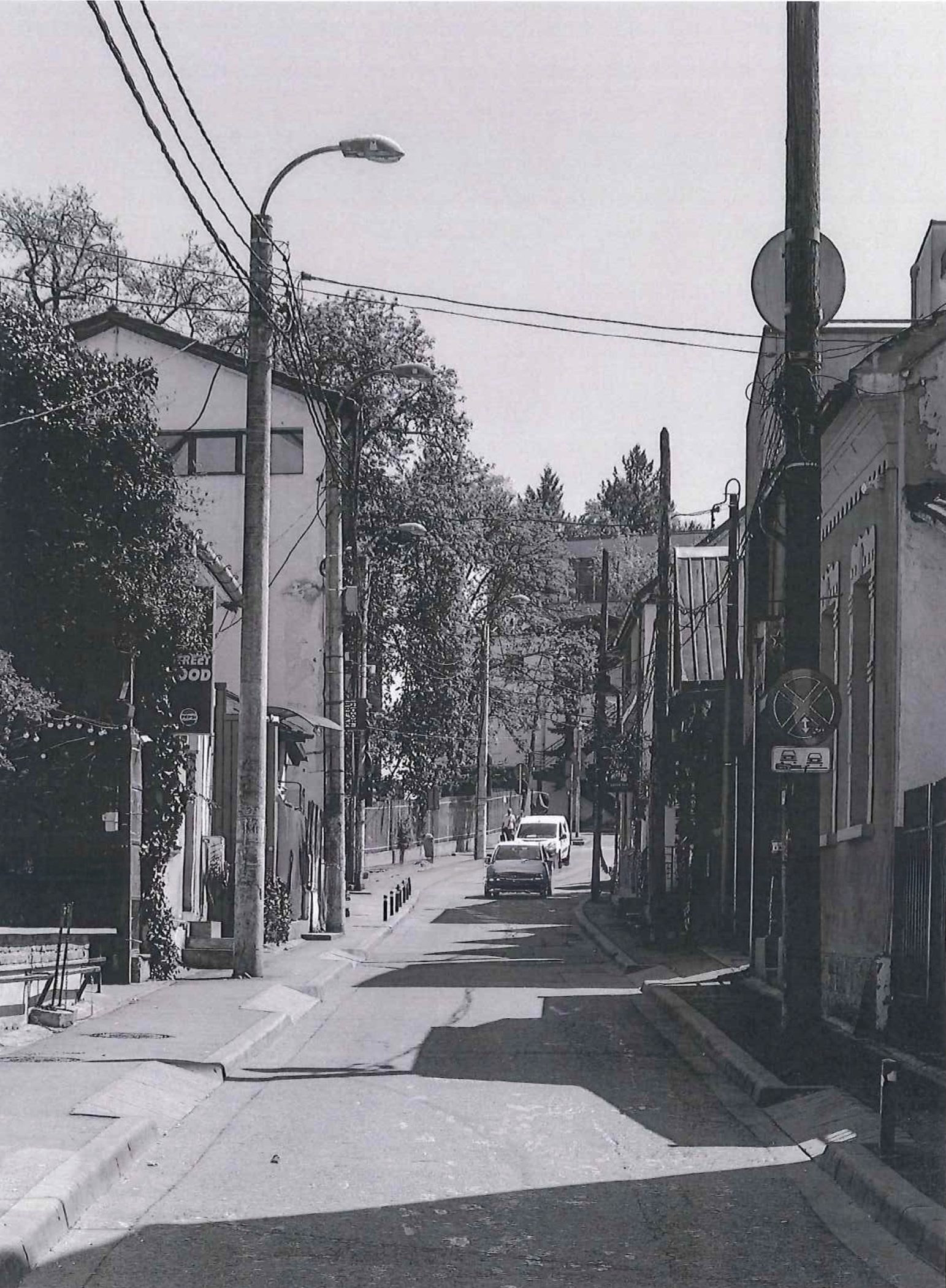
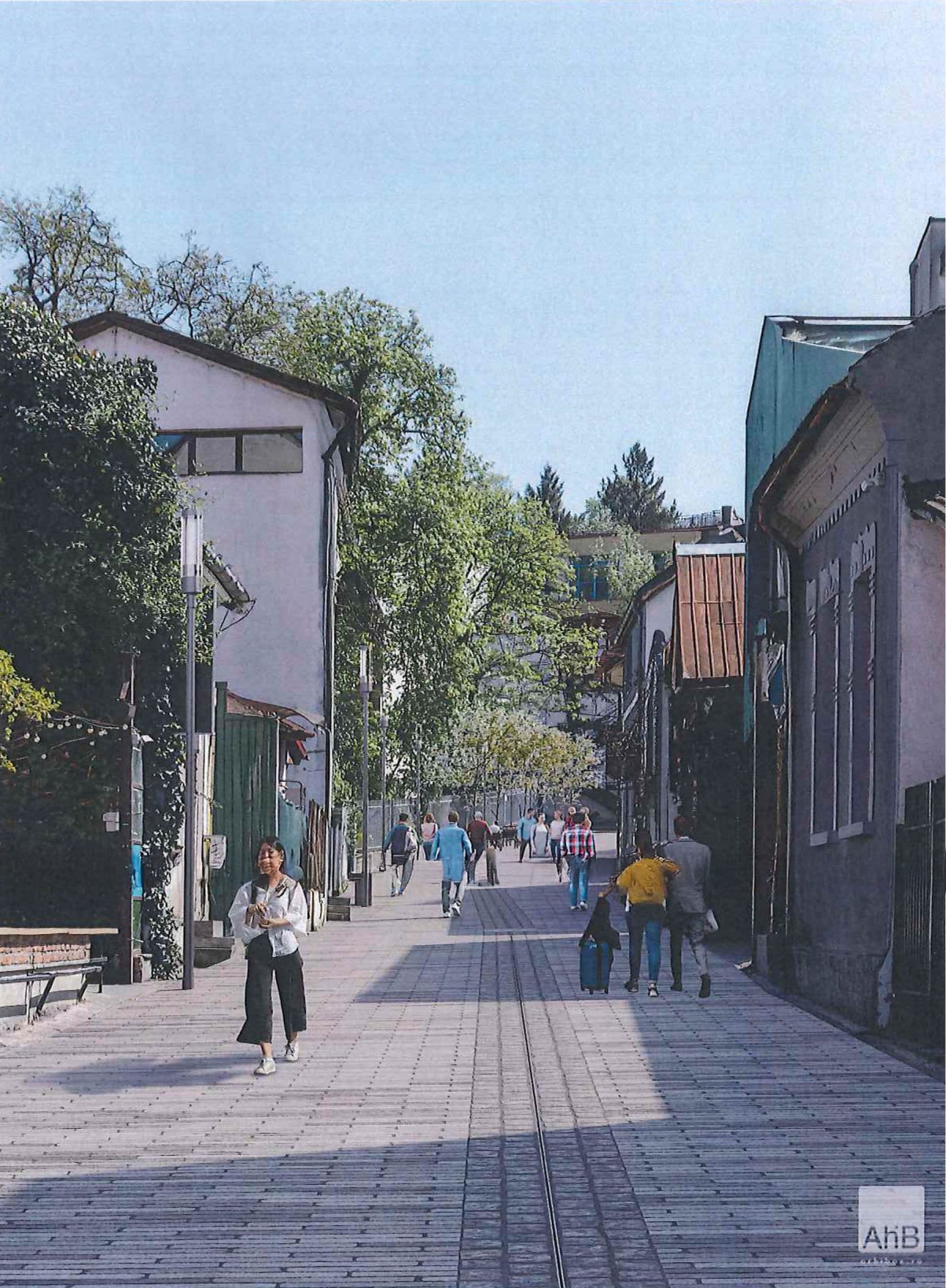
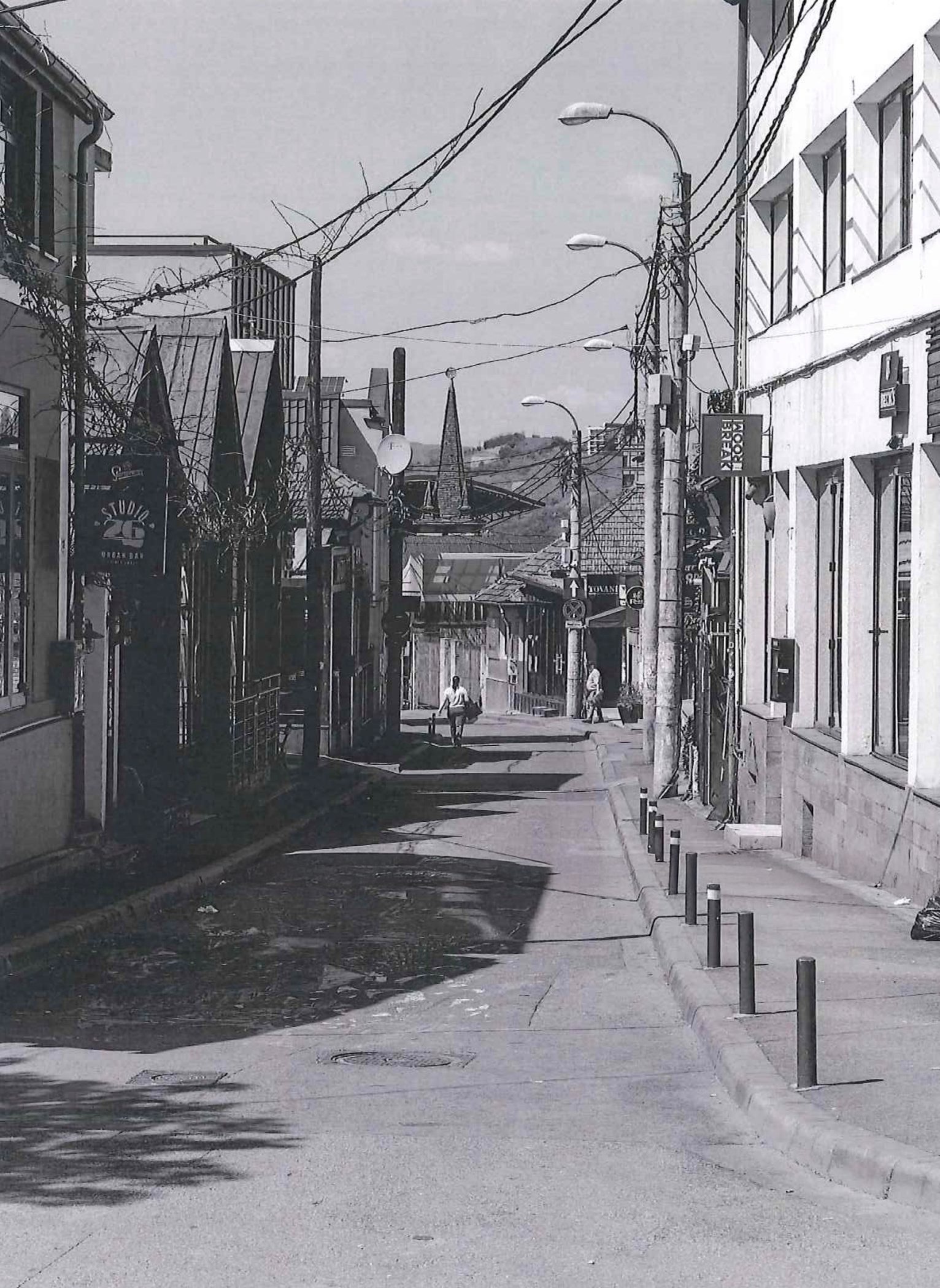
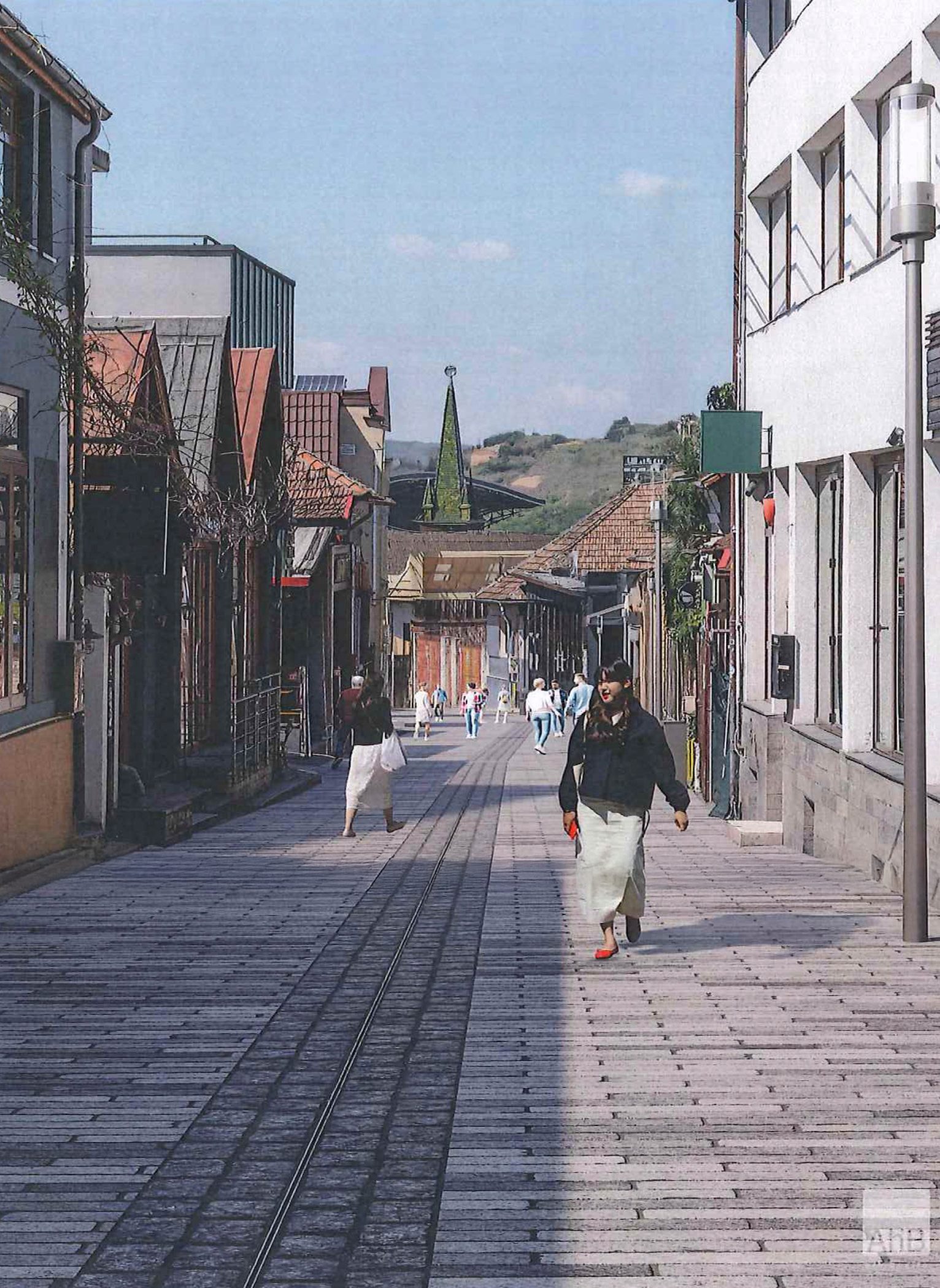
More than a redesign: what it means for the community
For residents, the transformation could mean a quieter, safer street with less through-traffic and better living conditions. For students, it offers a public space designed around walking rather than navigating cars, puddles, and broken pavements.
For local businesses, the change is more complex. Pedestrianisation often increases foot traffic and time spent in an area, but it also changes delivery patterns and customer behaviour. The success of the project will depend on how well these practical needs are handled once works are complete.
At a broader level, Piezișă’s redesign reflects a shift in how Cluj views its everyday streets. Instead of focusing only on flagship squares and central arteries, the city is beginning to treat neighbourhood streets as social infrastructure. Streets like Piezișă are not just routes; they are places where urban life actually happens.
A test for Cluj’s urban ambitions
Piezișă will not become another Unirii Square, nor should it. Its value lies in its scale and function as a lived-in, student-oriented space. The challenge for the municipality will be preserving that character while addressing long-ignored infrastructure problems.
For now, Piezișă stands at a transition point. Its future form is being drawn not only in architectural plans, but in decisions about how the city values everyday public spaces. For a street that has quietly shaped student life for generations, that makes this project far more significant than it might first appear.